BLACK FRIDAY SALE
30% OFF ENTIRE STORE
FREE SHIPPING $1000+ Code: Thankful
Home » How Its Made
Quality Parts Made With Purpose
At Velocity Aerowerks, every part starts with a design and goes through a hands-on process before it leaves the shop. Some products follow an established design, while custom orders may involve a new design, a customer approved mockup, or measurements & details made specifically for a vehicle or project. From choosing the right metal to final inspection & shipping, here is how we turn sheets of aluminum and steel into finished automotive aerodynamic parts & accessories.


Step 1
The first step is creating the design and preparing the files that will guide the cutting process. For products we make regularly, I use existing designs. For custom work, I may need to create a new design or template, add customer requested lettering or a logo to a hood prop or engine cover, design a custom sign, or draw a one-off automotive aero part.
I use AutoCAD and Adobe Illustrator design software to develop the layout designs and prepare the cut files. For custom designs, I will put together a mockup and send it to you for review before cutting any metal. That gives you a chance to check the design and request changes before fabrication begins. This ensures the customer is fully satisfied with the vision of their idea.
Step 2
The right material depends on the part and how it will be used. Our automotive aero parts are made from 1/8-inch aluminum, much thicker than most competitors. Using this thicker aluminum helps provide the strength and rigidity these parts need while keeping weight in mind.
Engine covers and other under-hood components are made from 16-gauge steel. Steel is a good choice for these parts because it provides a sturdy construction for the heat and conditions found in an engine bay.
Once the material is selected, I prepare and program the CAD files for our 4 x 8-foot CNC plasma table. The plasma table torch follows the digital design to precisely cut the parts into shape.
After the parts are cut, they are checked and cleaned up by hand. Plasma cutting can leave small amounts of metal slag or rough areas along the cut edges, so I sand those areas down where needed and remove any cutting residue. I use a variety of sanding tools like Dremels for small hard to reach areas as well as grinders and hand sanders.
This step helps to give the parts smooth, clean edges and prepares the metal for the next stage. Proper surface preparation also helps the finished product look neat and professional once it has been powder-coated.


Step 4
For powder-coated orders, I bring the prepared parts to our local partner, Totally Baked Powdercoating. Depending on the part and finish, the shop may sandblast, outgas, or chemically clean each part to prepare the surface for coating.
The powder coat is then applied in the selected color and baked in an oven to cure. This creates a durable, even finish that gives the part its finished appearance and adds a layer of protection to the metal.
Powder coating can extend turnaround when our local partner is fully booked. For urgent orders, select the no powdercoating option, this gives you the option to take the parts to a local powder coating shop for faster finishing.

Step 5
Before an order ships, I inspect the parts for visible defects and powder-coat blemishes. Every order gets a final check, although a small finish imperfection can occasionally be missed I do my best to make sure the parts look great before shipping them out.
If there is a problem with your order, please contact us. We are happy to review the issue and work with you toward a resolution.
Once the parts pass inspection, I select packaging based on the size and shape of the order. Larger items, such as front splitters, often require custom-made cardboard boxes so they fit securely without taking up more space than necessary. This helps protect the parts during shipping while keeping package dimensions and shipping costs as low as possible.
Packages ship through UPS, FedEx, or USPS, depending on the best combination of shipping cost and delivery time for the order.

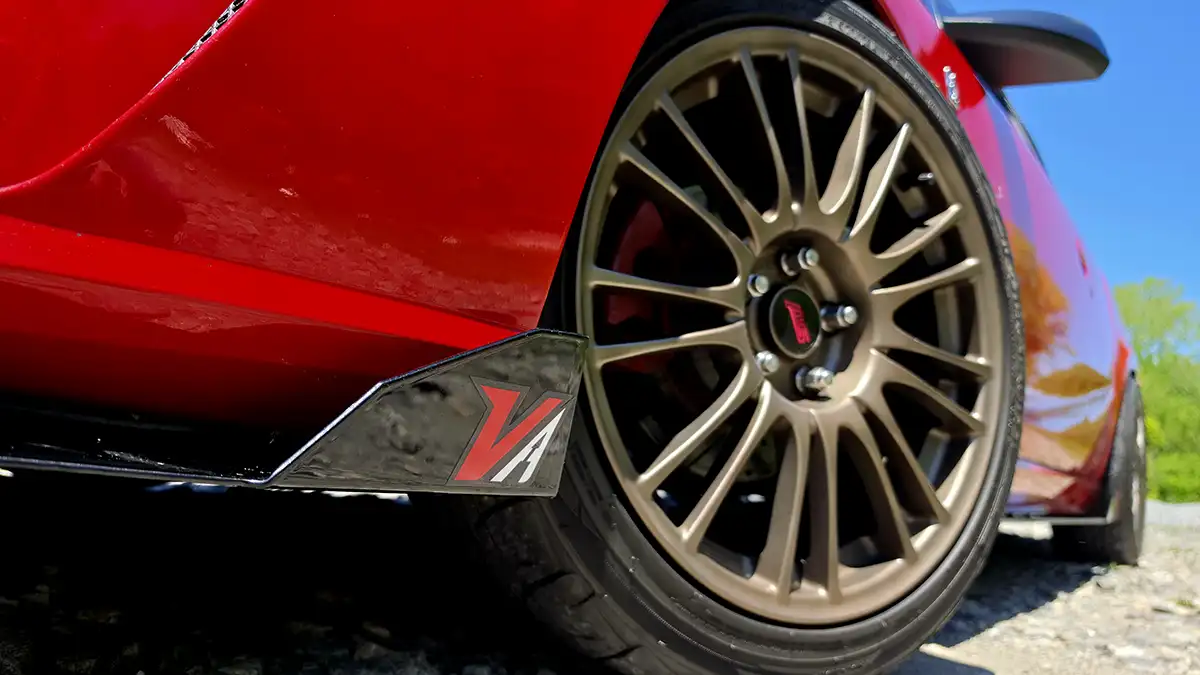
Now that you have seen how our parts are made, take a look at the automotive aero and engine bay products available from Velocity Aerowerks. Looking for something different?
Contact us to discuss a custom design or a part made for your project.
How It's Made FAQ
Have questions about the materials, fabrication, powder coating, or production process? Here are answers to some of the questions customers commonly ask.
Still have a question?
Contact us and we’ll be happy to help.
Yes. We can work on custom designs and one-off projects, depending on the part and what the project requires. Examples include custom automotive aero, engine bay components, personalized hood props or engine covers, and custom signs. Contact us with your idea, vehicle information, and any reference photos or sketches so we can review the project.

